Key Takeaways
- A cleaning contract usually costs a little more than doing it in-house. The savings show up in other parts of the business.
- Absence costs Australian employers an average of $4,000 per employee each year in direct costs.
- The cost of commercial cleaning depends on a variety of factors including floor space, frequency of cleaning and scope of work.
- The clearest savings are in staff time, how long your floors and fit-out last, and reduction of workplace absences.
Many business owners try to minimise how much is spent on cleaning; but every cleaning arrangement has a cost, including the one you have now. Staff time spent cleaning is time paid for at their wage rather than their role. Grit and dirt walked into carpet and vinyl shortens the life of both, so replacement comes around sooner. Illness moves quickly through a shared office when surfaces aren’t cleaned regularly.
A contract will likely cost more than your current spend, but what it returns in those other areas makes up for it.
What In-House Cleaning Really Costs
Cleaning done in-house rarely shows up as a line item, because the labour sits inside wages you’re already paying. That makes it easy to treat as free. Here is what it looks like for an office of about ten people once you write it down.| Cleaning it yourselves | Contracted cleaning | |
|---|---|---|
| Labour | 30 min/day across the team, roughly 2.5 hours a week at a loaded rate of about $40/hr – around $5,200 a year | Two visits a week, 1.5 hours each at $50/hr – around $7,800 a year |
| Equipment and cleaning products | $800–$1,200 a year, plus storage space | Included |
| Insurance and WHS | Your responsibility, including chemical handling and slip risk | Covered by the commercial cleaning company |
| Training | None. Staff use consumer products on commercial surfaces | Trained operators, documented procedures & ISO accredited |
| Consistency | Can sometimes be missed – especially during busy periods | Regular audits conducted monthly or bi-monthly by the Operations Manager |
Where the Savings Come From
Your Team Back on Their Actual Job
Those 2.5 hours a week belong to someone. Whoever is vacuuming isn’t answering the phone, quoting a job or getting invoices out. If your team’s time brings money in, moving those hours back to their actual role is worth more than the wage you pay them to clean. You also stop having the conversation about whose turn it is to deal with the kitchen.
Fewer Sick Days
Sick days cost more than most businesses realise. Sedgwick Health Solutions puts the average cost of absenteeism at over $4,000 per employee each year in its 2025 Employee Absenteeism and Wellbeing Report – between 7% and 8% of total payroll once direct wages, indirect costs and lost productivity are counted.
Cleaning won’t fix all of that, because plenty of sick leave has nothing to do with hygiene. Where it does help is with the bugs that go around a workplace, and those mostly travel on the things everyone touches: keyboards, door handles, the kitchen tap, bathroom fittings. A cleaner disinfects those properly and does it often enough to matter, which a quick wipe at the end of the day doesn’t. Keep one person at work for a few extra days a year and you’ve covered a fair share of what a commercial cleaning contract costs.
Longer-lasting Floors and Fit-outs
Dirt walked in from outside behaves like sandpaper. It works into carpet fibres along the traffic lanes near your entrance and lifts, which also tend to be the areas visitors look at first. The same happens with vinyl, grout, upholstery and window seals. Flooring expected to last ten years can start looking tired at six or seven, and replacing carpet, vinyl or floorboards early costs far more than regular cleaning.
Lower WHS Exposure
Australian work health and safety law requires you to provide and maintain a safe working environment, and cleanliness forms part of that. Safe Work Australia’s guidance is that effective workplace cleaning needs suitable methods, proper schedules, the right equipment and trained cleaners working within a clear system. Bringing in a contractor doesn’t hand your duty over to them. What it gives you is a consistent record showing the work is being done, and done professionally.
What Does Commercial Cleaning Cost in Australia?
Commercial cleaning costs depend on a number of factors, and rates vary between providers. Pricing guides for 2026 put standard commercial cleaning services at around $45 to $65 an hour, or $2 to $6 per square metre, though what you pay comes down to your site.
Factors that shape a quote can include:
- Floor area and layout, including how many separate rooms or levels need covering.
- How often the site is cleaned – daily, three times a week, weekly.
- What the space is used for: medical, childcare and industrial sites cost more, because compliance requirements and supervision are heavier.
- Surface types and floor finishes, which change the equipment and time needed.
- Foot traffic and how quickly the site gets dirty.
- Scope of work, from bins and bathrooms through to periodic tasks like carpet cleaning and window washing.
- Timing, since after-hours and weekend work carries penalty rates under the Cleaning Services Award.
- Access and security requirements, including inductions, keys and alarm codes.
- Whether consumables like paper products and hand soap are needed.
One-off jobs such as an exit or bond clean are quoted separately from a regular contract.
One thing to look out for when getting quotes for commercial cleaning is if a contractor or company is quoting well under other companies – this is a sign that something is being sacrificed, and that something is usually time spent on site, or quality of clean.
Your local V.I.P. franchisee will visit your premises, assess what the site needs and give you a quote without any cost or obligation.
How to Work Out If Professional Commercial Cleaning is Worth It
- Work out the hours. How long does cleaning take your team in a week? Multiply that by what an hour of their time costs you, then multiply that by 48 weeks.
- Add up the costs of products, equipment, and replacements.
- Work out how much a single absence prevented, or a carpet that lasts two years longer, would cost in savings.
- Get a real quote to compare against, rather than guessing the costs. Most businesses find the gap is smaller than they expected.
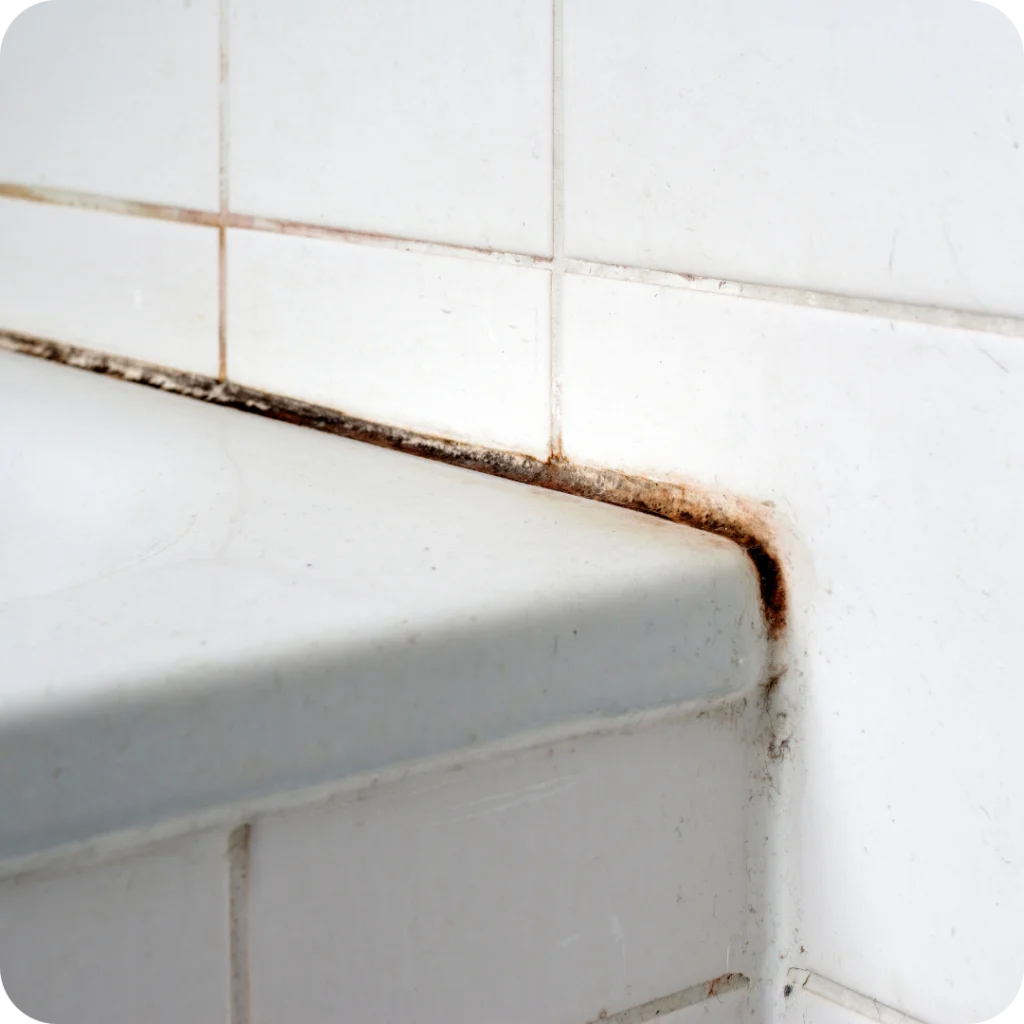
Whether in-house cleaning is enough comes down to how much traffic your premises sees. A small, quiet office with a tidy team may be able to manage it. Add clients coming through, shared bathrooms, a kitchen in daily use and staff on rates better spent elsewhere, and a cleaning contract is the more economical option.
Making Sure the Savings Are Real
None of this works if the cleaning is unreliable. Consistency is what turns a contract into a saving, so it’s worth looking at insurance, certification and the quality control measures your cleaning company should meet before you start comparing prices.
V.I.P. Home Services has been trusted by Australians for almost 50 years. Franchisees are fully-insured and police checked, and are Triple ISO certified. Because they own their own business, you tend to get the same person each week rather than whoever was rostered on, and that’s usually what keeps standards consistent.
Find your local V.I.P. or request a free quote, and we’ll work out a cleaning schedule around how your premises actually get used. You can also call 13 26 13.
FAQ's
Is it cheaper to hire a commercial cleaner or have staff clean the office?
As mentioned above, office cleaning usually costs more on the invoice than the wages currently absorbed by staff cleaning, and less once the full picture is taken into account. The comparison should include equipment and products you no longer buy, staff hours returned to the work you hired them for, your WHS position, and floors and furniture that last closer to their expected life.
How much does commercial cleaning cost per hour in Australia?
Standard office and commercial cleaning generally sits between $45 and $65 an hour in 2026, or roughly $2 to $6 per square metre. Medical, childcare and industrial premises generally cost more because of additional compliance and supervision requirements. After-hours and weekend work carries a loading under the Cleaning Services Award. Our V.I.P. franchisees do not charge extra for after hours, or Saturday cleaning which means you know exactly how much you’ll pay, regardless of when the cleaning is done.
How often should an office be cleaned by a commercial cleaning company?
Two to three times a week after hours suits most offices. Bathrooms, kitchens and client-facing areas usually need attention more often than desks do. Daily cleaning is standard for high-traffic sites, medical premises and childcare centres, where compliance requirements often set the minimum.
Does professional commercial cleaning reduce sick days among staff?
Regular cleaning and disinfection of shared surfaces can reduce illness passing between staff, which is one part of workplace absence. It has no bearing on absence caused by injury, stress or unrelated illness, so it’s best treated as one contributing factor rather than an absence strategy on its own. Sedgwick Health Solutions puts the average cost of absenteeism at over $4,000 per employee per year across all causes.
What factors affect the cost of a commercial cleaning quote?
Floor area and layout, cleaning frequency, what the space is used for, surface and floor types, foot traffic, scope of work, timing, access and security requirements, and whether consumables are included. Because providers scope work differently, two quotes on the same premises can vary considerably – the hours on site are usually where the difference lies.